Bard!
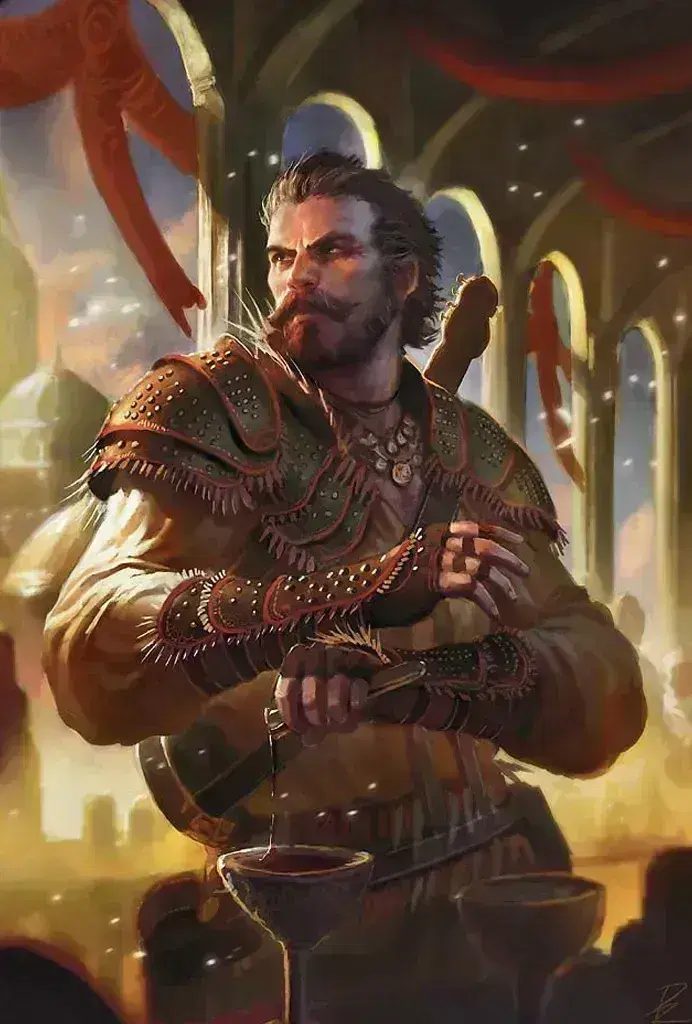
The Bard is an awesome class, and way more versatile than it gets credit for. At first glance it doesn't look as powerful as Wizards or Clerics, but the sourcebooks open up a lot of options. It won't compete with tier-1 classes in raw power, but in a party running tier 2-5 classes, the Bard punches above its weight. You can build it to fill almost any role, which is what makes it so good
Class Core
The basics of what makes a class tick: what role it fills in a party, how it handles ability scores, and the decisions you make at character creation. This is the stuff you want to nail down before you start picking feats or planning your level progression, because getting the fundamentals wrong means you're fighting your own build for the rest of the campaign.
Party Roles
A typical D&D 3.5e party covers six core roles, though one character can fill more than one. What matters isn't checking every box, but making sure nobody's stuck doing a job they're terrible at. A well-rounded group has answers for combat, healing, skills, and social encounters without leaning on one character to carry everything.

Damage
Bards lack raw arcane, strength, or archer damage due to their 3/4 BAB. Their real damage comes from the buffs they stack on the party. If you want to deal damage as a Bard, put some resources into a cohort (if your DM allows it) or summons
 Eger
Eger
Face
Arguably the best face class in the game. Max Diplomacy, Bluff, and Sense Motive, add spells like Glibness and Suggestion, and you can skip entire encounters with a good check
Eger
Healer
The only arcane class with cure spells on its list. Pair Cure Light Wounds with Healing Hymn for solid out-of-combat healing. Carry a wand of CLW since you can activate it without use magic devices checks
Eger
Skill Monkey
6+Int skill points per level with a massive class skill list. Between skills, skill tricks, and use magic devices to cast spells outside your spell list, you can cover nearly any role in a pinch
Eger
Support
The Bard's strongest and easiest role. Inspire Courage scales across your whole party and stacks with feats like Song of the Heart, Words of Creation, and Inspirational Boost. One buff on your fighter is worth more than anything you could do swinging a sword
Eger
Tank
The Bard is not a natural tank. You lack the hit die and armor to soak hits reliably. Leave frontline duty to fighters and crusaders, and focus on battlefield control and buffs that keep your party alive instead
EgerFeatures
The abilities your class actually gives you as you level up, plus the alternate options that let you trade out the bad ones for something useful. Half the optimization in 3.5 comes down to knowing which class features are worth keeping and which ones you should swap the moment your DM opens a splatbook.
Class Features
Every class in 3.5e gains specific abilities as it levels: bonus feats, spellcasting progression, special attacks, or unique class mechanics. These are the building blocks of your character's power curve. Some features are strong enough to define entire builds, while others are filler you'll want to trade out for alternate class features if your DM allows it.
- PHB page 28
Bardic Knowledge
You make a special knowledge check with a bonus equal to bard level + Int modifier. It's a decent ability that mostly shines in roleplay situations, you can compete with dedicated scholars without investing a single skill point in Knowledge.
Eger - PHB page 29
Bardic Music
Bardic Music is the core of the class. You get one use per bard level per day, and individual songs unlock as you hit minimum bard levels and Perform ranks which is why maxing Perform is non-negotiable.
Eger - PHB page 29
Countersong
Countersong eats your standard action to protect against sonic or language-dependent magical attacks within 30 feet. Swap this out for literally any alternate class feature that replaces it
Eger - PHB page 29
Fascinate
Fascinate doesn't work on threatened targets, which kills its combat utility. Where it matters is as the prerequisite for Suggestion and Mass Suggestion. Don't trade it away unless you're also trading Suggestion
Eger - PHB page 29
Inspire Competence
A +2 competence bonus to one skill for one ally, requiring concentration, for a maximum of two minutes. The bonus is small, the type is common (so it doesn't stack with magic items that grant the same thing)
Eger - PHB page 29
Inspire Courage
This is THE reason to play a bard. you can easily get +6 to attack and damage for ALL attacks stacking it with feats and magic items. It works especially well with Power Attack and two-handed weapons, so remind your teammates
Eger - PHB page 29
Inspire Greatness
Solid if you're still a bard at level 9. The 2 bonus hit dice provide an average of 11 temporary hit points, which is often the difference between life and death
Eger - PHB page 29
Inspire Heroics
Grants a +4 morale bonus to saves and a +4 dodge bonus to AC for a single ally. Morale bonuses to saves (outside of fear) are uncommon, and dodge bonuses always stack, making this a legitimate defensive buff
Eger - PHB page 29
Mass Suggestion
By level 18 your Perform checks are likely absurd, making Fascinate's DC unbeatable. Sit your enemies down for a quick concert, then suggest they spend 1 hour per level sitting quietly and contemplating their thumbs while you save the princess from the castle
Eger - PHB page 29
Song of Freedom
Removes curses and enchantments like a Break Enchantment spell, which is handy when it comes up. The problem is your cleric handles this better, you can't use it on yourself, and most bards have multiclassed out of the class well before level 12
Eger - PHB chapter 11
Spells
Your strongest class feature. Limited spells known means every pick matters. Focus on battlefield control, buffs, and social spells. Shadow Conjuration and Shadow Evocation blow the spells-known limit wide open at higher levels. Sublime Chord access pushes you to 9th-level casting
Eger - PHB page 29
Suggestion
Far better than the spell version in several ways: it costs nothing but time, it doesn't break Fascinate, and the DC scales off your Perform check rather than a spell DC
Eger - PHB p. 28
Weapon and Armor Proficiency
Longsword and shortbow access is nice. No arcane spell failure in light armor is huge. Grab Elven Chain or mithral options once you can afford them to push AC without spell failure
Eger
Alternate Class Features
Alternate class features let you swap out specific class abilities for different ones, usually from splatbooks like PHB2, Complete series, or Races of. Some are strict upgrades (trading Countersong is almost always worth it), others are sidegrades that depend on your build. Always check what you're giving up before you commit, because some trades lock you out of prereqs you might want later.
- PHB 2 p. 35
Bardic Knack
Trade Bardic Knowledge for the ability to use half your bard level in place of skill ranks for any skill. Pair it with Dnd 3.0e Jack of All Trades and you essentially have every skill. Even without the feat, spend one rank in each trained-only skill and you're covered
Eger - Complete Champion p.46
Healing Hymn
Trade Fascinate for boosted natural healing and healing spells. Pair it with Cure Light Wounds and you get massive out-of-combat healing, the catch is losing Fascinate also locks you out of Suggestion and Mass Suggestion
Eger - Dragon Magic p. 13
Inspire Awe
Trade Inspire Courage for a fear-based debuff that makes opponents shaken, with a save DC based on your Perform check. Really good for fear-escalation bards, but you will lose your Inspire Courage which is much stronger
Eger - Dungeonscape p. 8
Lore Song
Trade Bardic Knowledge for an immediate action +4 insight bonus to an attack roll, saving throw, or skill check. Uses scale at one per two bard levels. It overlaps with the level 1 spell Instant of Power
Eger - Player's Guide to Eberron p. 135
Soothe the Beast
Trade Inspire Competence for a wild empathy-like ability that uses your Perform check instead of a separate roll. Since bards naturally max Perform, this is automatically optimized handle animal without any extra investment
Eger
Ability Scores
How you distribute your six ability scores shapes everything about your character: what weapons you can use well, which saves you'll pass, how many skills you get, and how hard your spells hit. There's no universal spread; it depends on what your class needs and what role you're filling in the party. Dump stats are real, but dump the wrong one and you'll feel it every session.
Charisma
Your number one priority. Charisma powers your spells, your Inspire Courage, Use Magic Device, Bluff, Diplomacy, and Perform. You need at least 16 to cast your highest-level spells, and higher is always better
Eger
Constitution
With a d6 hit die, you really feel every point of Constitution. A 14 is the sweet spot, it keeps you alive without eating too many point-buy resources
Eger
Dexterity
Bards only get light armor proficiency, so Dexterity directly determines your AC. A 12-14 gives you a solid foundation for defense and initiative
Eger
Intelligence
Bards are skill monkeys at heart, and 6 base skill points per level just isn't enough to cover everything. Aim for 12-14 so you can actually invest in Knowledge skills, Use Magic Device, social skills, and still have points left for utility
Eger
Strength
If you're fighting in melee, look for Snowflake Wardance it lets you use Charisma for attack rolls, which completely eliminates the need for Strength on your hit
Eger
Wisdom
Your only real dump stat. Bards have a strong Will save progression, so your weak Wisdom won't hurt you where it matters most
EgerSkills
Skills are where your character's usefulness lives outside of spells and combat. Your class determines which skills are cheap to buy and how many points you get per level, but how you spend those points is where the real decisions happen. Don't just max everything on your class list. Figure out what your party needs covered and what your build actually uses, then invest accordingly.
Skills
Your class skill list determines what you can invest in cheaply and what costs double. Cross-class skills aren't off limits, but you're paying twice the price for half the max ranks, so it better be worth it. Prioritize the skills your build actually needs, don't spread yourself thin just because you can.
- PHB p. 85
Perform
Mandatory tax skill. Max it every single level. Sing is the simplest choice since it's hands-free and works with Dragonsong. Dance is the best combat option because it qualifies you for Slippers of Battledancing and Snowflake Wardance. String instruments open up the best magical instruments
Eger - PHB p. 63
Appraise
Helps you figure out what stuff is worth. Unless your DM is running a campaign where merchants are actively scamming you, this almost never matters. Dump it unless you have a very specific reason not to.
Standard - PHB p. 63
Balance
Keeps you on your feet on slippery or narrow surfaces. Comes up occasionally but rarely enough that you don't need to invest heavily. A couple of ranks and Dex does the rest.
Standard - PHB p. 63
Bluff
One of the best social skills in the game. Feinting in combat is niche, but lying to NPCs is universal. If you're the party face, you want this maxed. If you're not, someone else should be handling it.
Standard - PHB p. 63
Climb
Useful early on but gets replaced by magic and items pretty fast. A few ranks can save you in a pinch, but nobody needs to max this. Str-based, so your melee characters will handle it naturally.
Standard - PHB p. 63
Concentration
If you cast spells, you need this. Getting hit while casting and losing your spell feels terrible and is completely preventable. Non-casters can ignore it.
Standard - PHB p. 63
Craft
Fun for flavor, rarely impactful mechanically. If your DM runs downtime or you need it for item creation feats, go for it. Otherwise it's a luxury pick at best.
Standard - PHB p. 63
Decipher Script
Very niche. Only comes up in campaigns heavy on puzzles, ancient texts, or coded messages. Spells like Comprehend Languages handle this better. Skip unless your DM is running a mystery campaign.
Standard - PHB p. 63
Diplomacy
Arguably the strongest skill in the game if your DM lets it work as written. Can end encounters, forge alliances, and skip entire dungeons. Every party needs someone who can talk, and if that's you, max this immediately.
Standard - PHB p. 63
Disable Device
Disarms traps before they disarm your party. If nobody in the group has this, you're eating every trap the DM throws at you. Typically the rogue's job, but anyone with it on their class list should consider a few ranks.
Standard - PHB p. 63
Disguise
Great in infiltration-heavy campaigns, mostly dead weight otherwise. Pairs well with Bluff. If your DM runs a lot of social intrigue, this earns its ranks. If it's a dungeon crawl, skip it.
Standard - PHB p. 63
Escape Artist
Your answer to grapples, nets, and manacles. Grapple is one of the scariest things that can happen to a caster, so if you're squishy and Dex-heavy, a few ranks here are insurance. Melee types usually just muscle out with Str.
Standard - PHB p. 63
Handle Animal
Only matters if you have an animal companion, mount, or plan to interact with animals regularly. If you do, it's important. If you don't, it's a complete waste of ranks.
Standard - PHB p. 63
Heal
Stabilizes dying allies and handles long-term care. A few ranks can save a life when the cleric is down, but a wand of Cure Light Wounds does the job better in most cases. Decent filler if you have spare points.
Standard - PHB p. 63
Hide
Half of the stealth equation. If you're investing in Move Silently, you should be investing in this too; one without the other is pointless. Armor check penalty hits this hard, so light armor or bust.
Standard - PHB p. 63
Intimidate
The aggressive social skill. Demoralize Opponent is a standard action which hurts its value in combat, but out of combat it's a solid tool for getting what you want through fear. Pairs well with fear-stacking builds.
Standard - PHB p. 63
Jump
Clears gaps and obstacles in the early game, gets trivialized by fly and similar magic later. Str-based, so melee characters get it for free. Not worth heavy investment for anyone.
Standard - PHB p. 63
Knowledge
Lets you identify monsters, recall lore, and generally know things your character should know. Gets absurdly strong with Knowledge Devotion and the Collector of Stories skill trick. If your build is combat-focused and you have the points, this is a serious damage boost.
Standard - PHB p. 63
Listen
Catches ambushes, eavesdrops on conversations, and generally keeps you from being surprised. Every party needs at least one person with good Listen. Wis-based, so Clerics and Druids have a natural edge.
Standard - PHB p. 63
Move Silently
The other half of stealth. Pairs with Hide; invest in both or neither. Armor check penalty applies, so heavy armor characters shouldn't bother. Must-have for scouts and anyone who needs to get somewhere without being heard.
Standard - PHB p. 63
Open Lock
Gets you through locked doors and into treasure chests. If nobody in the party has this, you're kicking down doors and hoping for the best. Usually the rogue's department, but anyone with access should consider a few ranks.
Standard - PHB p. 63
Profession
Makes you money during downtime. That's it. If your campaign has significant downtime and your DM tracks gold carefully, maybe. Otherwise this is pure flavor with no mechanical payoff worth mentioning.
Standard - PHB p. 63
Search
Finds hidden doors, traps (after they've gone off), and secret compartments. Overlaps with Spot in some cases but is specifically for deliberate searching. Important in exploration-heavy games, less so in combat-focused ones.
Standard - PHB p. 63
Sense Motive
Your lie detector. Tells you when NPCs are being shady, which in most campaigns is constantly. Pairs naturally with Diplomacy and Bluff for a complete social toolkit. Wis-based, so it's cheap for Wisdom-heavy classes.
Standard - PHB p. 63
Sleight of Hand
Pickpocketing, palming objects, and hiding things on your person. Very campaign-dependent. If your game involves a lot of thievery or subterfuge, it's great. If not, you'll never use it.
Standard - PHB p. 63
Speak Language
Each rank gives you a new language. How much this matters depends on your campaign. If you're dealing with a lot of different cultures or deciphering inscriptions, it's worth a few points. Otherwise, Comprehend Languages exists.
Standard - PHB p. 63
Spellcraft
Identifies spells as they're being cast, lets you understand magical effects, and is required for crafting magic items. If you cast spells, you want this. If you don't, it's still useful for knowing what just got thrown at you.
Standard - PHB p. 63
Spot
Catches hidden enemies, traps, and anything your DM is trying to sneak past you. One of the most useful skills in the game across the board. Every party needs at least one person with solid Spot, and more is better.
Standard - PHB p. 63
Survival
Tracking, foraging, and navigating the wilderness. If your campaign spends time outdoors, this matters. If you're in a city or dungeon the whole time, it's dead weight. Rangers and Druids get the most mileage here.
Standard - PHB p. 63
Swim
Keeps you from drowning. That's the pitch. A few ranks as insurance is fine, but heavy investment is rarely justified. Armor check penalty makes this brutal for anyone in plate.
Standard - PHB p. 63
Tumble
Avoids attacks of opportunity when moving through threatened squares. Very valuable for anyone who needs to reposition in combat without getting smacked. 5 ranks for the synergy bonus to Jump is also a nice perk.
Standard - PHB p. 63
Use Magic Device
Lets you activate magic items you normally can't use, scrolls, wands, whatever. One of the strongest skills in the game for classes that get it. A UMD-focused character with a bag of wands can cover almost any role in a pinch.
Standard - PHB p. 63
Use Rope
Tying knots, binding prisoners, and the occasional climbing assist. Comes up so rarely that it's hard to justify spending points here. If you need rope to work, just take 10 and move on.
Standard
Skill Tricks
Skill tricks are mini-feats from Complete Scoundrel that cost 2 skill points each. They're cheap, they don't eat your feat slots, and some of them are genuinely strong. The only catch is most are once per encounter, and you need the prerequisite skill ranks. If you've got points to spare and a trick fits your build, there's rarely a reason not to grab it.
- Complete Scoundrel p. 83
Acrobatic Backstab
Tumble past an enemy and get a +2 to hit them. Best on classes that already want to be tumbling through combat and can capitalize on the accuracy bump. Rogues love it, melee-focused builds can use it too.
Standard - Complete Scoundrel p. 83
Assume Quirk
Adds a big bonus to Disguise checks when impersonating someone specific. If you're using Disguise at all, the person you're pretending to be is probably going to come up. Two skill points for +4 to +10 is hard to beat.
Standard - Complete Scoundrel p. 83
Back on Your Feet
Stand up from prone as an immediate action without provoking. Shuts down trip builds completely. If you're a melee character who tumbles, this is one of the best two skill points you'll ever spend.
Standard - Complete Scoundrel p. 83
Clarity of Vision
See through concealment as a swift action once per encounter. Gets better at higher levels where miss chances from darkness and invisibility show up more often. Solid pickup if you have the ranks.
Standard - Complete Scoundrel p. 83
Clever Improviser
Lets you attempt untrained skill checks you normally couldn't. Sounds flexible on paper, but in practice the situations where this matters are rare and the results are unreliable. Not enough bang for the buck.
Standard - Complete Scoundrel p. 83
Collector of Stories
Adds +5 to Knowledge checks for monster identification. Becomes incredible with Knowledge Devotion since the higher your check, the bigger your combat bonus. Combat builds with Knowledge ranks should seriously consider this.
Standard - Complete Scoundrel p. 83
Conceal Spellcasting
Hide your spellcasting so nobody notices you cast anything. Very good for social spells and any situation where you don't want to blow your cover. Check Races of Stone pg. 133 for additional rules on concealed casting with Sleight of Hand.
Standard - Complete Scoundrel p. 83
Extreme Leap
Extra horizontal distance on a jump as a swift action. No real entry cost if you already have 5 ranks in Jump for the synergy. Fine pickup for mobile melee characters, not a must-have for anyone.
Standard - Complete Scoundrel p. 83
False Theurgy
Makes it look like you're casting a different spell than you actually are. Only matters if you're facing counterspellers regularly, which most campaigns don't. Niche to the point of being ignorable for most builds.
Standard - Complete Scoundrel p. 83
Group Fake-Out
Lets your feint apply to allies' attacks too. Feinting itself is mediocre in 3.5 because it eats your standard action, so making it slightly better doesn't move the needle much. Pass unless feinting is central to your build.
Standard - Complete Scoundrel p. 83
Healing Hands
Provides a small heal to stabilize dying characters. Gets eclipsed by a Wand of Cure Light Wounds almost immediately. Low-magic campaigns might get more mileage out of it, but it's not worth the points in most games.
Standard - Complete Scoundrel p. 83
Leaping Climber
Speeds up climbing. Like the swim and other movement tricks, the extra distance just doesn't matter enough in practice to justify even the low cost. Movement magic does this better.
Standard - Complete Scoundrel p. 83
Listen to This
Perfectly replay sounds you've heard, including speech. The main use is bringing unfamiliar languages back to someone who understands them. If you already have Speak Language or Comprehend Languages, there's not much reason for this.
Standard - Complete Scoundrel p. 83
Magical Appraisal
Quick identification of magic items without casting Identify. Useful but you can get the same effect by pumping Spellcraft. Fine for two points if you're already investing in the prereqs, redundant if you're not.
Standard - Complete Scoundrel p. 83
Mosquito's Bite
Deal sneak attack damage without the target realizing it was an attack. Very narrow use case and requires a light weapon, which most builds aren't using. Sounds cool, plays badly.
Standard - Complete Scoundrel p. 83
Never Outnumbered
Intimidate all enemies in range at once instead of one at a time. Demoralize Opponent is already a weak use of your standard action, and Intimidate isn't on every class list. Only worth it for dedicated fear-stacking builds.
Standard - Complete Scoundrel p. 83
Nimble Charge
Charge through difficult terrain or around obstacles. Solid for melee characters who charge often. Narrow enough that it won't come up every session, but when it does it's nice to have.
Standard - Complete Scoundrel p. 83
Nimble Stand
Stand from prone without provoking. Decent, but Back on Your Feet does it better as an immediate action. If you can only pick one anti-prone trick, pick that one instead.
Standard - Complete Scoundrel p. 83
Opening Tap
Identify a creature's weaknesses by striking it. Very niche and doesn't provide enough actionable benefit to justify even the small cost. Not great even for the classes it's designed for.
Standard - Complete Scoundrel p. 83
Point It Out
Share a Spot result with an ally. High entry cost in Spot ranks and the effect is limited. Unless you're the party's dedicated scout with max Spot, this isn't pulling its weight.
Standard - Complete Scoundrel p. 83
Quick Escape
Escape a grapple or pin as a swift action. Grapples are terrifying for small or Dex-based characters, so this is real insurance. The 14-rank prereq in Escape Artist is steep, but if you're already invested, grab this.
Standard - Complete Scoundrel p. 83
Quick Swimmer
Swim faster once per encounter. Like the climbing tricks, the extra distance just doesn't come up in a way that matters. If you're in water often enough for this to matter, get a magic solution instead.
Standard - Complete Scoundrel p. 83
Second Impression
Get a second chance on a failed Disguise check. Narrow benefit that only matters if you're heavily invested in Disguise already. Fine for two points if infiltration is your thing, ignorable otherwise.
Standard - Complete Scoundrel p. 83
Shrouded Dance
Turn your move action into concealment with a 20% miss chance. That's a real defensive benefit for the cost of movement you were probably going to use anyway. Good trick for mobile characters.
Standard - Complete Scoundrel p. 83
Slipping Past
Move through an enemy's square without provoking. The problem this solves, needing to get past someone blocking a corridor, just doesn't happen often enough. Tumble already handles most repositioning needs.
Standard - Complete Scoundrel p. 83
Speedy Ascent
Climb faster once per encounter. Same problem as the swim and jump movement tricks: the speed boost is too small and too situational to matter in practice.
Standard - Complete Scoundrel p. 83
Spot the Weakness
Use Spot to find a weakness in heavy armor and treat it as touch AC. Decent against heavily armored enemies, but requires good Spot ranks to be reliable. Best on classes that already invest in Spot naturally.
Standard - Complete Scoundrel p. 83
Sudden Draw
Draw a weapon and attack in a surprise round. Requires Quick Draw, which most builds don't want as a feat. Cool cinematic moment if it ever comes up, but mechanically it's not worth the investment.
Standard - Complete Scoundrel p. 83
Swift Concentration
Maintain concentration on a spell or effect as a swift action instead of a standard. That frees up your standard action every round you'd otherwise spend concentrating. Very strong if your build uses concentration-maintained effects.
Standard - Complete Scoundrel p. 83
Timely Misdirection
Redirect an attack against you to a nearby enemy with a Bluff check. Requires too many conditions to line up at once: flanking, specific positioning, a Bluff check. Too many ifs for too little payoff.
Standard - Complete Scoundrel p. 83
Tumbling Crawl
Crawl at half speed without provoking attacks of opportunity. Useful in theory for getting out of bad positions while prone, but the scenario where crawling is your best option is genuinely rare.
Standard - Complete Scoundrel p. 83
Twisted Charge
Charge in a non-straight line. Solid for melee characters who charge regularly but keep getting blocked by terrain or allies. Not amazing, but no real downside either.
Standard - Complete Scoundrel p. 83
Up the Hill
Gain high ground bonus while charging uphill. Same category as the movement tricks: too narrow and too small an effect to matter in practice.
Standard - Complete Scoundrel p. 83
Walk the Walls
Run along a wall for a short distance. Looks incredible when it happens. The problem is you need very specific geometry to make it work and it's once per encounter. Take it for the story, not the optimization.
Standard - Complete Scoundrel p. 83
Wall Jumper
Jump back and forth between two walls to climb. Same problem as Walk the Walls: needs perfect conditions and gives you barely anything over just having Climb ranks or a Spider Climb spell.
Standard - Complete Scoundrel p. 83
Whip Climber
Use a whip as a grappling hook for climbing. Costs 15' of whip reach and requires heavy investment in Use Rope. Looks cool, feels like Indiana Jones, but the point cost to payoff ratio is rough.
Standard
Races
Race choice in 3.5 is front-loaded: you pick it once and live with it forever. The stat bonuses, bonus feats, and special abilities you get at level 1 matter more than people think, especially for builds that need specific ability scores or early-game power. Level adjustment races trade starting power for raw stats, but falling behind in class levels hurts more than most new players expect. Pick something that supports your build, not just something that looks cool on paper.
Human
Player's HandbookThe default best race for almost everything. A bonus feat at level 1, bonus skill points every level, and no stat penalties. The feat alone is worth more than most racial packages in the game. If you don't have a specific mechanical reason to pick something else, Human is probably correct.
StandardElf
Player's Handbook+2 Dex, -2 Con. The Dex is nice for ranged builds and light armor classes, but the Con penalty hurts everyone. Immunity to sleep, +2 vs enchantments, and free weapon proficiencies are solid. The real draw is the Dex for archer or finesse builds that can afford to be a little squishy.
StandardDwarf
Player's Handbook+2 Con, -2 Cha. Extra hit points on every class, bonus to saves vs poison and spells, and stability against bull rush. The Cha penalty stings for face characters and Cha casters, but for everyone else this is a durable, solid chassis with a bunch of small bonuses that add up.
StandardHalfling
Player's Handbook+2 Dex, -2 Str. Small size gives +1 AC, +1 attack, and +4 Hide, which is great for stealth and ranged builds. The Str penalty and 20 ft speed hurt melee characters badly. Good for anything that doesn't need to swing a big weapon or carry heavy gear.
StandardHalf-Elf
Player's HandbookNo stat adjustments, a grab bag of minor bonuses, and immunity to sleep. The problem is nothing here is strong enough to justify picking it over Human. You get a little of everything but not enough of anything. Races of Destiny helps with some alternate racial features, but it's still a hard sell mechanically.
StandardHalf-Orc
Player's Handbook+2 Str, -2 Int, -2 Cha. The Str bonus is obvious for melee, but two penalties is a steep price. Less skill points from Int and worse social skills from Cha means you're giving up a lot of flexibility. Works for single-minded melee builds that don't talk or think, struggles everywhere else.
StandardGnome
Player's Handbook+2 Con, -2 Str. Small size, illusion bonuses, and a small pile of spell-like abilities. The Con is useful on everyone and the Str penalty matters less on a Small race that's probably not in melee anyway. Decent for casters and skill characters, especially with the Races of Stone alternate features.
StandardStrongheart Halfling
Forgotten Realms Campaign SettingA Halfling that trades the +1 to all saves for a bonus feat. That's almost always a better deal. You still get the Small size benefits and Dex bonus, but now you also get a feat at level 1 like a Human. One of the best LA +0 races in the game if your DM allows Realms content.
StandardWarforged
Eberron Campaign Setting Pg. 23+2 Con, -2 Wis, -2 Cha. A construct-like humanoid with a built-in armor bonus, light fortification, and immunity to a bunch of effects like poison and disease. The two mental penalties hurt, but the defensive package is huge. Doesn't need to eat, sleep, or breathe, which breaks certain encounters wide open.
StandardChangeling
Eberron Campaign Setting Pg. 16No stat adjustments but gets a minor change shape ability that lets you shift your appearance at will. Mechanically it's free Disguise with no duration or spell slot cost. In social or intrigue campaigns this is absurdly strong. In a dungeon crawl it's a cool parlor trick and not much else.
Standard
Feats
Feats are the main way you customize your character beyond class and race. You get one at 1st level, another every three levels after that, and some classes hand out bonus feats on top. Not all feats are equal. Some are build-defining picks you plan around from level 1, others are traps that sound cool but waste your limited slots. Focus on what your build actually does and pick feats that make that thing better.
- Player's Handbook Pg. 98
Power Attack
Trade attack bonus for double the damage on melee. This is the gateway to almost every melee build in the game. The two-handed multiplier makes it scale even harder with big weapons. If you hit things in melee, you probably want this.
Standard - Player's Handbook Pg. 92
Cleave
Free attack on an adjacent enemy when you drop one. Sounds great, works fine at low levels, falls off hard once enemies stop standing next to each other. Tax feat for Great Cleave and some prestige classes, not a standout pick on its own.
Standard - Player's Handbook Pg. 96
Improved Initiative
+4 to initiative. Going first matters more than people think. Getting your buff off before the enemy acts, dropping a control spell before they spread out, or just full attacking before they can react. Good on almost everyone, great on casters.
Standard - Player's Handbook Pg. 92
Combat Reflexes
Extra attacks of opportunity equal to your Dex mod. Pairs with reach weapons, trip builds, and anything that punishes movement. If you're building around battlefield control in melee, this is core. If you're not, it's a waste.
Standard - Player's Handbook Pg. 102
Weapon Focus
+1 to attack with one weapon. The bonus is small and it doesn't scale. The real reason you take this is because it's a prereq for Weapon Specialization and a bunch of prestige classes. If nothing requires it, skip it.
Standard - Player's Handbook Pg. 102
Weapon Specialization
+2 damage with one weapon. Fighter only. Same deal as Weapon Focus: the number is small but it's a prereq for things that matter. Take it when your build path demands it, not because +2 damage excites you.
Standard - Player's Handbook Pg. 97
Point Blank Shot
+1 to attack within 30 feet with ranged weapons. The bonus is marginal but this is the entry point for the entire ranged combat feat chain. If you're building an archer, you start here. If you're not, you never touch this.
Standard - Player's Handbook Pg. 99
Rapid Shot
Extra ranged attack at your highest BAB with a small penalty to all attacks. This is where archer builds start doing real damage. The math works out in your favor almost every time if you have a decent attack bonus. Mandatory for any serious ranged build.
Standard - Player's Handbook Pg. 98
Precise Shot
Shoot into melee without the nasty penalty. Without this you're eating a flat -4 every time an ally is adjacent to your target, which is basically always. Archers need this early or they're hitting their own party.
Standard - Player's Handbook Pg. 100
Toughness
+3 hit points. That's it. Three hit points don't matter past level 3. There's almost always something better to take. The only time this makes sense is if your DM is using the Toughness variants from later books that scale with level.
Standard - Player's Handbook Pg. 94
Weapon Finesse
Use Dex instead of Str for light weapon attack rolls. Opens up Dex-based melee builds but doesn't add Dex to damage without extra work. You still need a way to get damage going, usually through sneak attack or Shadow Blade. Good enabler, not a complete solution.
Standard - Player's Handbook Pg. 100
Two-Weapon Fighting
Fight with a weapon in each hand. The penalties are steep without light off-hand weapons and good Dex. Needs a pile of follow-up feats to really work. Full TWF builds are feat-intensive but the damage ceiling is high if you can land all the hits.
Standard - Player's Handbook Pg. 96
Improved Two-Weapon Fighting
Second off-hand attack at -5. The extra attack is nice but you're deep into the TWF chain at this point. Only take this if you're fully committed to the two-weapon path and have the BAB to make the iteratives land.
Standard - Player's Handbook Pg. 93
Combat Casting
Cast defensively without provoking, or get a +4 on the Concentration check if you prefer the default reading. Either way, if you cast spells in or near melee, this keeps you from eating an AoO every time. Important for any caster who isn't hiding in the back every round.
Standard - Player's Handbook Pg. 97
Metamagic Feats (General)
Apply a metamagic feat without increasing cast time for spontaneous casters, or just smooth out prepared casting. Huge for Sorcerers and Bards who otherwise lose a full round every time they metamagic. Less important for Wizards but still convenient.
Standard - Player's Handbook Pg. 93
Extend Spell
Extend your spell duration to double. Cheap metamagic slot cost for a big payoff on buffs. If your build relies on pre-combat buffing, this is one of the best metamagic options available. Less useful on direct damage or instantaneous effects obviously.
Standard - Player's Handbook Pg. 93
Enlarge Spell
Double your spell's range. Situationally useful but most spells already have enough range for typical encounters. Better on spells with short or touch range that you want to deliver at a distance. Niche compared to other metamagic options.
Standard - Player's Handbook Pg. 93
Empower Spell
Reroll all 1s on damage dice. Solid on spells with lots of dice like Fireball, less impressive on single-die effects. The slot cost is reasonable and the average damage bump is real. Good pickup for blasters, unnecessary for everyone else.
Standard - Player's Handbook Pg. 97
Maximize Spell
Maximize all variable numeric effects of a spell. Three slot levels higher is a steep cost. On the right spell it's devastating, on most spells it's not worth the slot. Combos well with specific damage setups but isn't a general-purpose pick.
Standard - Player's Handbook Pg. 99
Quicken Spell
Cast a quickened spell as a swift action. Four slot levels higher. The action economy advantage is enormous but the cost is brutal. Best on low-level spells you still want active in later tiers. True Strike, Shield, or a quick buff as a swift action is very strong.
Standard - Player's Handbook Pg. 100
Still Spell / Silent Spell
No verbal or somatic components. Two levels higher per component dropped. Useful for grappled casting, underwater casting, or sneaking spells past people. The slot cost is manageable if you only drop one component. Dropping both is expensive but opens up some very specific tricks.
Standard - Player's Handbook Pg. 96
Improved Trip
Replace your Str modifier with Dex for trip attempts and avoid being counter-tripped if you fail. Trip builds are strong in 3.5 and this makes Dex-based characters viable trippers. Pairs with Combat Reflexes and reach for a nasty lockdown combo.
Standard - Player's Handbook Pg. 95
Improved Bull Rush
Shove enemies back and follow them. Requires Power Attack. Useful for pushing enemies off cliffs, into hazards, or just out of position. Niche but devastating when the terrain cooperates. Builds that focus on this can lock down entire hallways.
Standard - Player's Handbook Pg. 96
Improved Disarm
Knock a weapon out of someone's hand without provoking. Sounds useful but most monsters don't use weapons, and the ones that do often have bonuses too high to beat reliably. Very campaign dependent. Better in humanoid-heavy games.
Standard - Player's Handbook Pg. 96
Improved Grapple
Grapple without provoking. Grapple is already strong for big Str characters and this removes the main downside of trying it. If you're built for grappling this is mandatory. If you're not, grappling probably isn't your plan anyway.
Standard - Player's Handbook Pg. 96
Improved Overrun
Overrun without provoking and the target can't just dodge you. Very niche. Most of the time you'd rather just move around them or use bull rush. Comes up in very specific charge-through builds but isn't a general-purpose pick.
Standard - Player's Handbook Pg. 96
Improved Sunder
Sunder objects without provoking. Destroying enemy gear sounds fun until you realize you're also destroying loot. Your DM and your party will both hate you. Only worth it in very specific builds or campaigns where gear doesn't matter.
Standard - Player's Handbook Pg. 93
Alertness
+2 to two skills. These are almost never worth a feat slot. A feat is one of your most valuable resources and +2 to Spot and Listen doesn't compare to what you could be getting instead. Only consider Alertness if it's a prereq for something you actually want.
Standard - Player's Handbook Pg. 92
Stealthy
+2 to two skills. Same trap as Alertness. If you need the prereq, take it. If you don't, put your feat somewhere that matters. Skill bonuses from feats almost never justify the opportunity cost.
Standard - Player's Handbook Pg. 93
Dodge / Mobility / Spring Attack
Charge around corners and through difficult terrain. Makes mounted combat and charge builds more flexible. If your build charges every round this opens up a lot of positioning. If you don't charge regularly, you don't need it.
Standard - Player's Handbook Pg. 97
Mounted Combat
Mounted combat feats are their own ecosystem. Ride-by Attack, Spirited Charge, and Mounted Combat itself can make a devastating charger build. The problem is you need a mount that survives, and indoor dungeons hate horses. Campaign dependent but the ceiling is very high in open-field games.
Standard - Player's Handbook Pg. 96
Iron Will
+2 to Will saves. If your class has poor Will saves, this can be the difference between acting on your turn and spending the fight dominated. Not exciting but useful for classes that are one failed save away from becoming the enemy's best weapon.
Standard - Player's Handbook Pg. 97
Great Fortitude
+2 to Fortitude saves. Fort saves protect against poison, death effects, and a lot of nasty stuff. If your class already has good Fort, skip it. If it doesn't, this is cheap insurance against some of the most punishing effects in the game.
Standard - Player's Handbook Pg. 97
Lightning Reflexes
+2 to Reflex saves. Reflex is often the least dangerous save to fail since it's usually just damage, not losing your turn. Lower priority than Iron Will for most builds unless you specifically need Evasion-like avoidance and don't have it.
Standard - Player's Handbook Pg. 94
Exotic Weapon Proficiency
Proficiency with exotic weapons. Whether this is worth a feat depends on the weapon. Spiked chain is infamously strong because of reach plus trip. Most other exotic weapons are marginal upgrades over martial options. Check if the weapon actually does something a longsword can't before spending the feat.
Standard - Player's Handbook Pg. 97
Quick Draw
Draw weapons as a free action. Mostly a convenience feat but it opens up some specific tricks like throwing builds and hidden weapon setups. If you're not planning to switch weapons mid-round or throw things, you probably don't need this.
Standard - Player's Handbook Pg. 92
Combat Expertise
Full attack and then move 5 feet, or vice versa. Keeps you mobile while still getting all your attacks in. Very strong for any melee build that relies on full attacks, which is most of them. Competes with other movement options but holds up well.
Standard - Player's Handbook Pg. 100
Track
Lets you track creatures by their footprints. Whether this matters is 100% DM dependent. In wilderness-heavy campaigns it's a strong utility pick. In dungeon crawls or city campaigns you'll forget you have it. Ask your DM how much wilderness play to expect before taking this.
Standard - Player's Handbook Pg. 97
Spell Focus
Boost your spell DCs by focusing on a specific school. +1 DC doesn't sound like much but at higher levels the difference between a save and a fail on your best spell is everything. Mandatory for casters who rely on save-or-lose effects. Pairs with Greater Spell Focus for +2 total.
Standard - Player's Handbook Pg. 100
Spell Penetration
+1 caster level to beat spell resistance. SR is a pain and this helps punch through it. Whether you need this depends on your campaign. If you're fighting demons and drow regularly, it's important. If SR rarely comes up, spend the feat elsewhere.
Standard - Player's Handbook Pg. 97
Extra Turning
Turn or rebuke undead uses fuel a bunch of Divine feats and prestige class abilities. Even if you never actually turn undead, the uses per day are a resource that powers things like Divine Metamagic and Divine Might. The feat itself is whatever; what it fuels is what matters.
Standard - Player's Handbook Pg. 97
Item Creation Feats (General)
Craft magic arms and armor, wondrous items, wands, scrolls. Item creation feats let you gear your whole party at half cost, which is one of the strongest things a caster can do in a campaign with downtime. The feat tax is real but the economic advantage is massive if your DM gives you time to craft.
Standard - Player's Handbook Pg. 97
Natural Spell
Cast spells while in Wild Shape. If you play a Druid who Wild Shapes, this is the single most important feat you will ever take. Without it you're choosing between being an animal and being a caster. With it you're both at the same time. Mandatory, no exceptions.
Standard
Multiclassing
How you finish off the build. Whether you're dipping into base classes for front-loaded abilities, specializing through prestige classes that build on your core features, or picking up non-specific prestige classes that add something your main class can't do. The right multiclass choices depend on your build goals; some classes want to stay pure for 20 levels, others peak at level 5 and should be looking for exits immediately.
Base Classes
Base class dips, usually 1 or 2 levels, that add something useful to your build without committing to a full multiclass. The best dips give you a front-loaded payoff at level 1 that's worth more than what you'd get staying in your main class for another level. The worst ones give you almost nothing and set back your primary progression for no reason. Always ask yourself: is what I'm getting worth a level of spells, BAB, or class features?
- Player's Handbook Pg. 30
Cleric
Arguably the best single-level dip in the game. You get two domains (each with a granted power and bonus spells), heavy armor proficiency, shield proficiency, and access to the entire cleric spell list for 1st-level slots. The domain powers alone can define a build. Knowledge Devotion, Travel Devotion, and Luck domain are all standouts. Even if you never cast a cleric spell, the package is absurd for one level.
Standard - Player's Handbook Pg. 37
Fighter
One bonus feat and proficiency with all martial weapons, heavy armor, and shields. The feat is nice, but one level of Fighter is rarely better than one level of something else that also gives you a feat plus more. Best used when you need a specific feat and can't wait, or when martial weapon proficiency is a prereq for something you actually want.
Standard - Player's Handbook Pg. 49
Rogue
1d6 sneak attack, trapfinding, and a massive skill list with good skill points. The sneak attack is underwhelming at 1d6 but it qualifies you for prestige classes that require it. The real value is the skills. If your main class is starved for skill points or needs specific rogue-only skills, one level here fills the gap.
Standard - Player's Handbook Pg. 42
Paladin
Divine Grace (+Cha to all saves) is one of the strongest single abilities in the game if you have decent Charisma. Aura of Good, Detect Evil, and Smite Evil are bonuses on top. The alignment restrictions and multiclass rules can be painful depending on your build, but if you can stomach them, Divine Grace alone justifies the dip for Cha-heavy characters.
Standard - Player's Handbook Pg. 39
Monk
Wisdom to AC (unarmored), bonus feat, Flurry of Blows, and all good saves at 1st level. The Wis to AC is great if you're already Wis-heavy and not wearing armor. The problem is the multiclass restriction: once you leave Monk, you can't come back without a specific variant rule. One level is all you'll usually take, and only if unarmored AC actually helps your build.
Standard - Player's Handbook Pg. 46
Ranger
Two-weapon fighting or archery combat style without meeting the feat prereqs, plus a decent skill list and d8 hit die. The combat style is the main draw: getting TWF or Rapid Shot for free at level 2 is strong if your build uses either. One level isn't great; two levels for the combat style is the sweet spot.
Standard - Player's Handbook Pg. 24
Barbarian
Rage is a strong buff, especially for melee characters who want more damage and HP. Fast movement and a d12 hit die are bonuses. The rage gives +4 Str, +4 Con, and +2 Will saves, which is a ton of value from one level. If your build benefits from hitting harder for a few rounds per day and you can handle the Lawful alignment restriction, this is solid.
Standard - Tome of Battle Pg. 20
Warblade
Full BAB progression, maneuvers from White Raven, Iron Heart, Diamond Mind, Stone Dragon, and Tiger Claw. Int-based bonus to reflex saves and critical confirmation. Gives access to White Raven stances (important for Song of the White Raven builds). A clean melee dip that doesn't waste anything: good hit die, good saves, good abilities.
Standard - Complete Arcane Pg. 8
Warlock
Eldritch blast and a few invocations. The blast scales with total character level, not warlock level, which sounds good until you realize it's still worse than just attacking or casting. The invocations at level 1 are limited. Mostly useful if you're building specifically around eldritch blast synergies or need an at-will ranged option.
Standard
Non-Specific Classes
Prestige classes that aren't designed for any one base class but can be useful for certain builds: gish options, casting progression classes, racial paragons, and hybrid prestige classes. These don't advance your main class's signature features directly, so you're trading specialization for something different. Whether that trade is worth it depends on what your build needs that your main class can't provide.
- Complete Mage Pg. 50
Abjurant Champion
Five levels of full casting with full BAB. Grants strong abjuration-related effects including martial arcanist (add shield bonus from abjuration spells to AC). Best for classes with abjuration spells to fuel the abilities. If your spell list has Dispel Magic and defensive options, this turns you into a real combat caster.
Standard - DMG Pg. 187
Eldritch Knight
Lose one level of casting for full BAB and a bonus feat. Requires martial weapon proficiency, which might mean another dip. Straightforward gish option: you trade one spell level to hit better and qualify for combat feats faster. Worth looking at for any arcane caster who wants to be dangerous in melee.
Standard - Complete Arcane Pg. 37
Fatespinner
A high-level prestige class that works best as a 4-level dip. Grants powerful reroll abilities and fate-manipulation mechanics. You stop progressing some class features, but the ability to force rerolls on yourself and enemies is very flexible. Great for any caster who wants a safety net and a way to tilt odds.
Standard - Tome of Battle Pg. 115
Jade Phoenix Mage
Full BAB, 8/10 casting, Devoted Spirit maneuver progression, and very strong early features. Arcane Wrath converts even a cantrip into bonus attack and damage. Mystic Phoenix Stance gives CL/AC bonuses and DR. Great for combat-focused arcane gish builds, especially if Tome of Battle is on the table.
Standard - Player's Guide to Faerûn Pg. 61
Incantatrix
10/10 spell progression. Requires Iron Will (at least that's useful) and giving up a spell school (Necromancy is often a painless drop). Bonus metamagic feats help offset entry costs. Lots of powerful tricks including applying metamagic through wands. Very strong for any arcane caster going metamagic-heavy.
Standard - DMG Pg. 191
Loremaster
10/10 spell progression and Secrets that provide minor static bonuses. No main class ability progression. The Secrets are individually weak but you get several of them. Mostly a filler class for builds that just want to keep progressing spells and have nothing better to take. Mechanically underwhelming.
Standard
Items
Your gear loadout is the third pillar of character building alongside class features and spells. The right equipment covers your weaknesses, the right wondrous items multiply your strengths, and knowing what to buy at each price point keeps you competitive as the game scales. Gold is a limited resource so spend it where it matters most for your build, not on whatever happens to be in the DMG's alphabetical listing.
Equipment
The gear you carry shapes what you can do outside of class features and spells. Weapons set your damage baseline, armor keeps you alive, and mundane utility items solve problems that magic shouldn't have to. Don't sleep on the cheap stuff either. A 50 gp item that covers a gap in your build is worth more than a +1 sword you didn't need.
- Player's Handbook Pg. 116
Greatsword
The default big damage melee weapon. 2d6 with an 19-20 crit range on a two-hander that multiplies Power Attack. If you're a Str-based melee character without a specific weapon in mind, this is almost always correct.
Standard - Player's Handbook Pg. 116
Longsword
The standard one-handed weapon. Good damage, 19-20 crit range, works with a shield. If you need a hand free or want to sword-and-board, this is the go-to martial option. Nothing flashy, just reliable.
Standard - Player's Handbook Pg. 116
Composite Longbow
Best composite bow gives you Str damage on ranged attacks. Archers without one are leaving damage on the table every round. Make sure you buy one rated for your Str mod or you're paying for nothing.
Standard - Player's Handbook Pg. 120
Spiked Chain
Reach weapon with trip. Exotic proficiency required but the payoff is massive. Threatens at 10 feet, trips on attacks of opportunity, and locks down entire corridors. One of the strongest weapon choices in the game if your build supports it.
Standard - Player's Handbook Pg. 116
Rapier
Simple weapon, 18-20 crit range. The widest crit threat range on a one-handed weapon without feats. Popular for crit-fishing builds and for anyone who wants Improved Critical to push it to 15-20. Light enough for TWF too.
Standard - Player's Handbook Pg. 123
Full Plate
Best AC you can get from armor. Heavy, expensive, and murders your skill checks, but if your build doesn't care about any of that, the flat AC is unbeatable at low levels. Falls off once magic armor and Dex-stacking take over.
Standard - Player's Handbook Pg. 123
Chain Shirt
The sweet spot for medium armor. Decent AC, manageable armor check penalty, and enough max Dex that you're not wasting a moderate Dex score. Good default for characters who want protection without tanking their skills.
Standard - Player's Handbook Pg. 123
Chain Shirt (Light)
Best light armor in the PHB. +4 AC with a max Dex of +4 and only -2 ACP. If you need to keep your skills and still want some protection, this is the default. Mithral versions push it even further.
Standard - Player's Handbook Pg. 124
Buckler
+2 AC with no max Dex cap and no ACP. If you can't wear real armor this is free AC with zero drawbacks. Casters, monks (who can't use it), and light builds should all at least consider one.
Standard - Player's Handbook Pg. 124
Heavy/Light Shield
+2 AC, one hand occupied. The classic defensive option. Paired with a one-handed weapon it's straightforward and solid. Heavy shield gets the same bonus with more bash damage if you care about that, which you probably don't.
Standard - DMG Pg. 258
Wand of Cure Light Wounds
750 gp for 50 charges of any 1st-level spell at CL 1. Cure Light Wounds wands are the backbone of between-combat healing for every party in the game. Buy one early, buy replacements often. This single item changes how the healing economy works.
Standard - DMG Pg. 258
Scrolls (General)
Cheap access to spells you don't want to prepare daily. Scrolls of situational spells like Remove Curse, Knock, or Restoration let you cover edge cases without wasting prepared slots. Every caster should carry a scroll library for emergencies.
Standard - DMG Pg. 258
Wands (General)
Same deal as wands but with more charges and the ability to use them at range or in groups. Buff wands are nice but a wand of Lesser Vigor or Grease sees more actual table time than most people expect.
Standard - Player's Handbook Pg. 130
Adventuring Gear (Basics)
50 feet of rope, a grappling hook, pitons, a crowbar, and a 10-foot pole solve more problems than people give them credit for. Mundane gear is cheap and weighs almost nothing relative to its utility. Don't be the party that can't climb a wall because nobody packed rope.
Standard - Player's Handbook Pg. 131
Alchemical Items
Holy water, alchemist's fire, tanglefoot bags, thunderstones. These are your low-level answer to problems you can't solve with a sword yet. Alchemist's fire handles swarms and regenerating creatures, tanglefoot bags lock things down. Carry a few even at higher levels as backup.
Standard
Wondrous Items
Wondrous items are where your gold turns into permanent power. The right item covers a weakness, amplifies a strength, or gives you an ability your class never had. Slot economy matters here because you only have so many body slots and the competition for headband, cloak, and belt is fierce. Plan your big purchases around your build's needs, not whatever the DM drops in a treasure pile.
- DMG Pg. 248
Cloak of Resistance
Resistance bonus to all saves. The most useful item in the game, period. Every character wants this as high as they can afford, starting at +1 and upgrading as gold allows. If you only buy one magic item, make it this.
Standard - DMG Pg. 257
Headband of Intellect / Wisdom / Charisma
+2/+4/+6 enhancement to your primary casting stat. More spells per day, higher DCs, better skill checks. If you cast spells, this is your first big purchase after Cloak of Resistance. The slot competes with nothing else this important.
Standard - DMG Pg. 248
Belt of Giant Strength / Gloves of Dexterity / Amulet of Health
+2/+4/+6 enhancement to Str, Dex, or Con. Belt of Giant Strength for melee, Gloves of Dexterity for ranged and finesse, Amulet of Health for everyone who likes not dying. Pick the stat your build needs most and upgrade it as fast as you can.
Standard - DMG Pg. 252
Ring of Protection
Deflection bonus to AC that stacks with everything. One of the few AC bonuses that every build can use regardless of armor situation. Cheap at +1, scales well, and occupies a slot with limited competition.
Standard - DMG Pg. 246
Amulet of Natural Armor
Natural armor bonus to AC. Stacks with actual armor and Ring of Protection since it's a different bonus type. Another cheap, scaling AC item that everyone benefits from. The neck slot competes with Periapt of Wisdom on some builds.
Standard - DMG Pg. 253
Handy Haversack
Extra inventory space with no carry weight. Holds 500 lbs in an extradimensional space. Solves every encumbrance problem you'll ever have and lets you carry your scroll library, backup weapons, and spare gear without thinking about weight. Just don't put it in a portable hole.
Standard - DMG Pg. 247
Wings of Flying
Fly at will. Once you have this, the game changes. You ignore terrain, avoid melee, reposition freely, and trivialize a huge number of encounters. Expensive but worth saving for. Arguably the single most impactful wondrous item you can buy.
Standard - DMG Pg. 247
Goggles of Night / Eyes of the Eagle
Continuous See Invisibility or similar. Invisible enemies are a real problem at mid to high levels and this removes that problem entirely. The price varies by version but the effect is worth it if your party doesn't have reliable magical detection.
Standard - DMG Pg. 247
Boots of Speed / Striding and Springing
Enhancement bonus to movement speed. Getting where you need to be faster matters more than people think, especially for melee characters chasing flyers or kiters. The cheap versions are affordable early and the speed stacks with most other sources.
Standard - DMG Pg. 251
Fortification (Armor Enhancement)
Armor enhancement that gives you a miss chance on crits and sneak attacks. Light fortification is 25% and costs +1 equivalent. Cheap insurance against rogues and crit builds that can save your life. Heavy fortification at +5 is endgame but shuts down crits entirely.
Standard - DMG Pg. 253
Pearl of Power
Store one spell of up to 3rd level and release it as a swift action. That gives you an extra spell per fight without using your standard action. The flexibility is enormous. A caster with a couple of these loaded with Shield or Mirror Image has a real safety net.
Standard - DMG Pg. 264
Rope Trick / Leomund's Tiny Hut (Item Form)
Creates a small extradimensional shelter. Safe rest in hostile territory is priceless. No wandering monster checks, no weather, no ambushes. If your party is doing extended dungeon delves or wilderness travel, this pays for itself immediately.
Standard - DMG Pg. 259
Metamagic Rods
A metamagic rod lets you apply a metamagic feat three times per day without increasing the spell slot. Lesser rods work on spells up to 3rd level, which covers most of your workhorse spells. Extend, Empower, and Maximize rods are all strong picks depending on your casting style.
Standard
Comments